After the storm: avoid turning cleanup into another emergency
Wait for safe conditions, watch for hidden hazards and leave dangerous tree work to professionals.
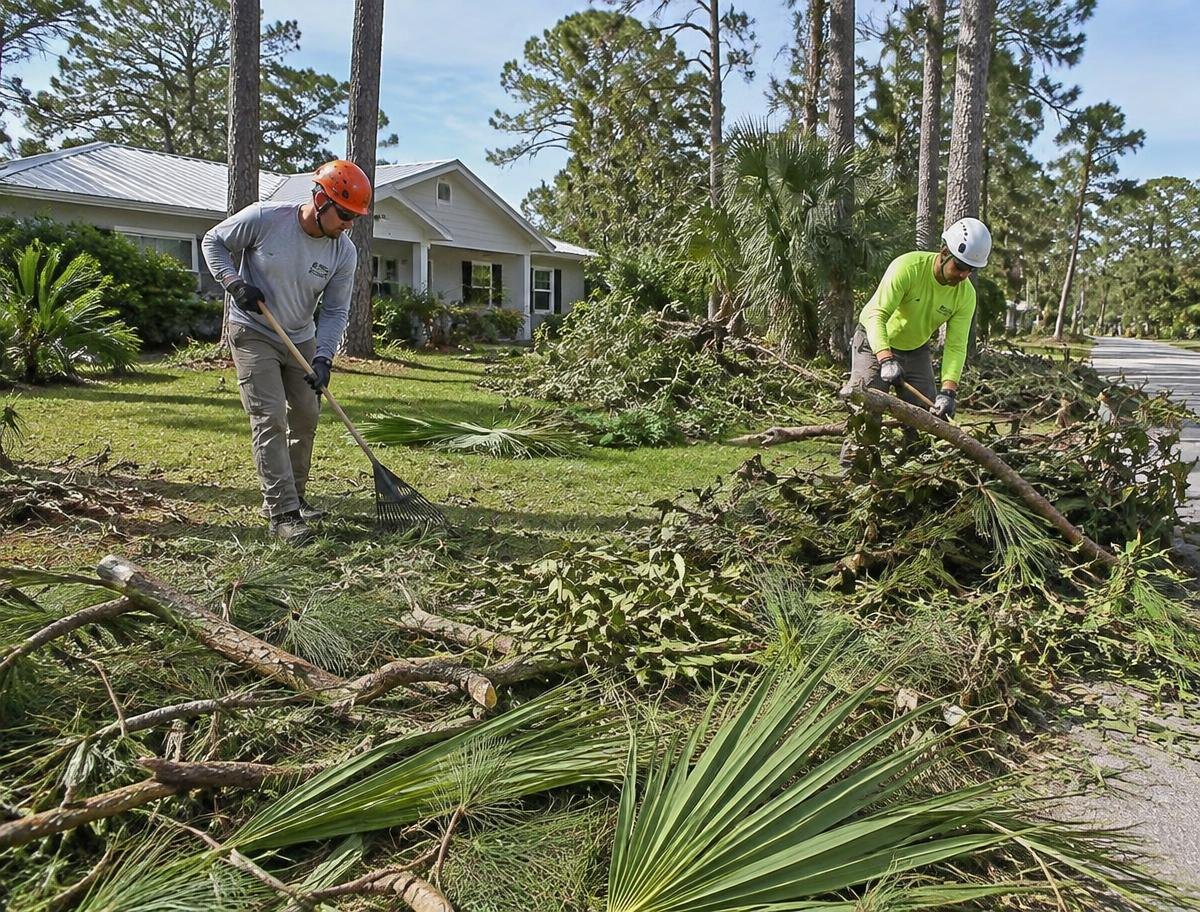
Wait, then look from a safe place
Return only when local officials say it is safe. Avoid damaged structures and watch for downed lines, gas leaks, broken glass, nails and floodwater. Keep people away from unstable trees and hanging limbs. Document damage only if you can do so safely; a photograph is not worth stepping into a hazard.
Leave stored-energy tree hazards alone
Bent branches and fallen trunks can move suddenly when cut. A tree resting against another tree or structure may shift without warning. Do not use a chainsaw on unfamiliar storm damage, climb unstable trees or work under suspended limbs. Ask qualified professionals to assess the scene before cutting or moving heavy debris.
Plan a safe recovery
Follow local instructions for separating and placing debris, without blocking roads, hydrants or drains. Keep generators outdoors and away from windows, doors and vents according to official guidance. Contact the utility first for any line-related hazard. Kolbeck’s Tree Care can discuss tree and debris services once the site is safe; emergency responders handle immediate threats to life.
Further reading
Kolbeck's Tree Care · Educational guidance. Illustrative AI-generated image.
Request a tree-service estimate